- Latest
- Featured

This is an example of a subscription form designed using HTML, CSS, and JavaScript. The background colors have been set by CSS style background and set its value to linear-gradient to display the color shades. The JavaScript functions have been used to implement the click events for the elements in the HTML. Flip and rotate animations have been added on button click event using the transform style and its values being set with translateX. These styles have been added to the elements dynamically with a click event using the addClass function.

This is an example of the signup form and displaying the confirmation of the signup in a single page with the use of HTML, CSS, and JavaScript. The basic CSS styles have been used to implement the design with the colors and the background image. The background color of the entire page is set with 3 shades of purple (to bottom, #daa7cd 0%, #c4a1ca 60%, #848ec3 100%). The JavaScript function javascript query selector has been used to identify the elements in the HTML by its element types such as input, h1, and button. The button click function is implemented in the JavaScript with the use of element h1 and its innerHTML to change the current value on a button click event whereas the other elements have been hidden by dynamically accessing its styles and setting the display value to be none in a click event function. The email text box is set with the values: width -100%, background color- transparent, border value- 3px solid white.
Source: https://codepen.io/TheEcnemelc/pen/qvRmLL
Sign up to News Letter
4.3.1
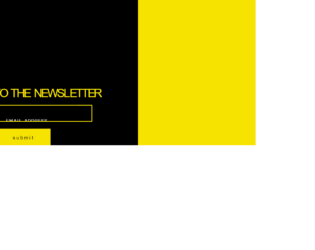
This is a template for the signup form and the confirmation of the signup in a single page with the use of HTML, CSS, and JavaScript. The basic CSS styles have been used to implement the design with the colors and the background image. The entire page has a combination of two colors which is set as linear-gradient and yellow(to right, #000000 0%,#000000 66%,#f7e300 66%,#f7e300 100%).The JavaScript function in Javascript query selector has been used to identify the elements in the HTML by its element types such as input, h1, and button. The button click function is implemented in the JavaScript with the use of element h1 and its innerHTML to change the current value on a button click event whereas the other elements have been hidden by dynamically accessing its styles and setting the display value to be none in a click event function.
Source: https://codepen.io/TheEcnemelc/pen/pGmYYj
Sign up to News Letter
4.3.1

This is a sample newsletter form with slide animations designed using HTML, CSS, and JavaScript. CSS style background image has been used to add the background image by providing the URL of the image. JavaScript is used to implement the click event for the given elements. Initially, the Subscribe button is hidden by adding the CSS style “display” with its value set to none. The fade-in and fadeout functions in JavaScript have been used to trigger the click event “Skip NewsLetter sub” and the slide-up and slide-down functions to display the slide animations in this example.
Source: https://codepen.io/perikan/pen/pXNdxX

This is a simple example of a News Letter component with pure CSS and HTML. The CSS element “background” has been used to display the background image with the color of linear-gradient; (rgba(0,0,0,0.7),rgba(0,0,0,0.6)),url('https://pbs.twimg.com/media/DWH8pTQW4AAdp4F.jpg').The background image is centered with the center style element. Initially the typing space for the email address won’t be visible to the user as it is set to a 0 width. The mouse hover element has been used to display the input text field by setting the width on the mouse hover event whereas the focus event has been used to make the type space appear automatically. The color of the button “subscribe” is set as green and the font color as whitesmoke.
Source: https://codepen.io/andryjohn/pen/agVYJp?&page=1
This is an example for creating a newsletter component for a website with the use of CSS, HTML and JavaScript. JavaScript function has been used to automatically calculate and display the distance between the mouse cursor and the Signup button. The sub element of pageY and pageX of the event variable has been used to calculate the position of the cursor. CSS style has been implemented for the h2 (title) with the use of the CSS element “active” to apply the effect of vertically moving up and down by using the translateY value. The complete page is set to have a background color of linear-gradient (to bottom, #ffffff 60%, #e2e2e2).
Source: https://codepen.io/andreas-litis/pen/MMNyGa
Sign up to news letter
4.3.1

This is an example of a classic footer section of a website with pure CSS. The HTML element strong has been used to make the text Bold. The element of UL and child element of its LI have been used to display the list. CSS styles have been implemented to display the background shapes and the element “after” to apply the styles when the elements are loaded. The img tag has been used to display the image in the footer. The h3 element is set to have a font size of 18px, font-weight of 400.
This is a sample design for the footer section of a website with a search bar. To apply the icons and the font styles to the text, the font-awesome style sheet has been imported. Creating the search bar has been done by using “form” tag and the input type text element to display the text field and the button element for the search button. CSS style of border-top has been used to display the line on top of the search bar. The font style of the footer section is set as “Raleway sans-serif” and the values of input type text element to have a height of 45px, the width of 40%, padding-left of 20px and the color as #333.
Footer with News Letter
4.3.1